WFHB Bloomington Community Radio


Podcast: Play in new window | Download (Duration: 29:18 — 67.1MB)
Subscribe: RSS
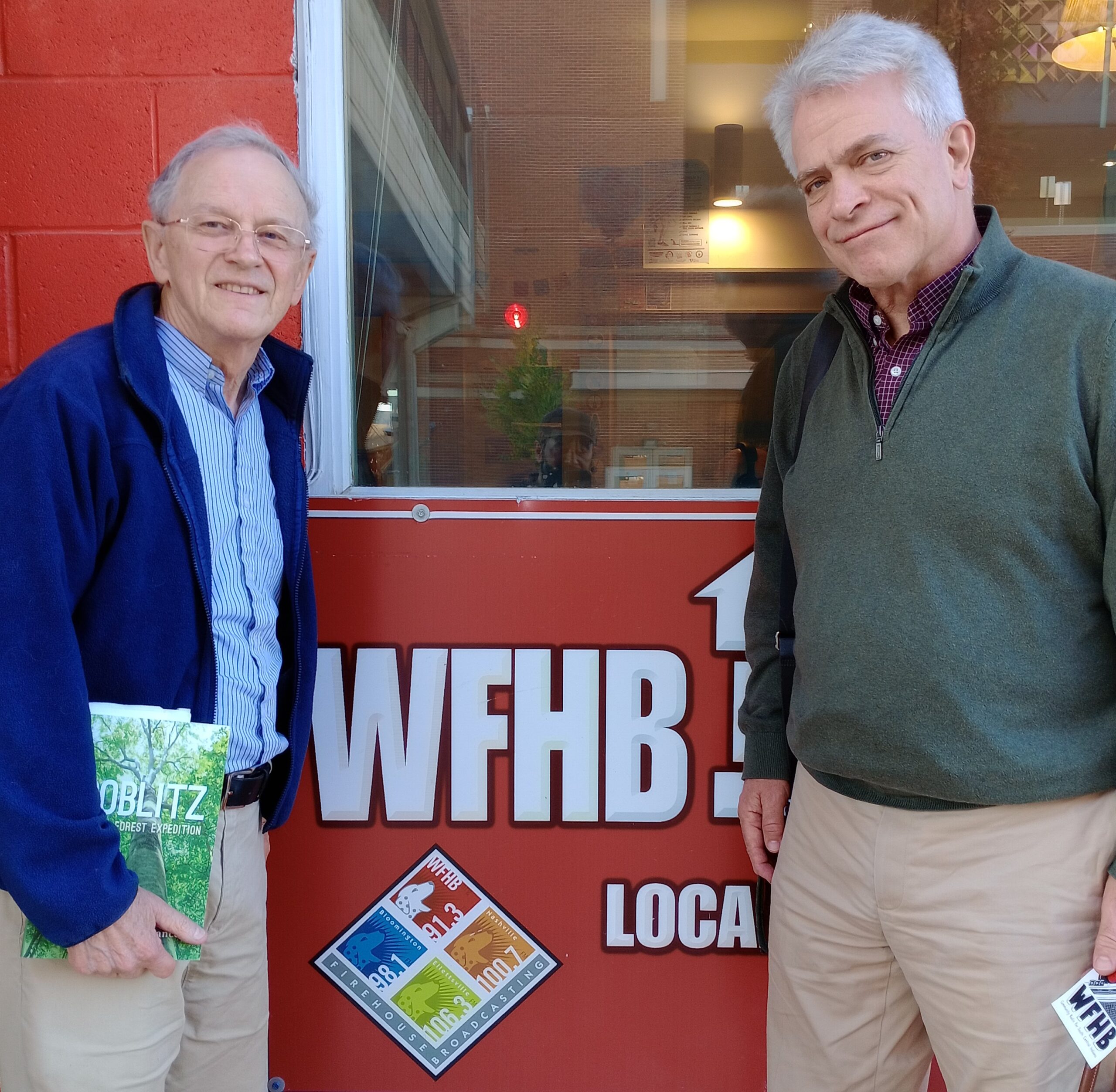
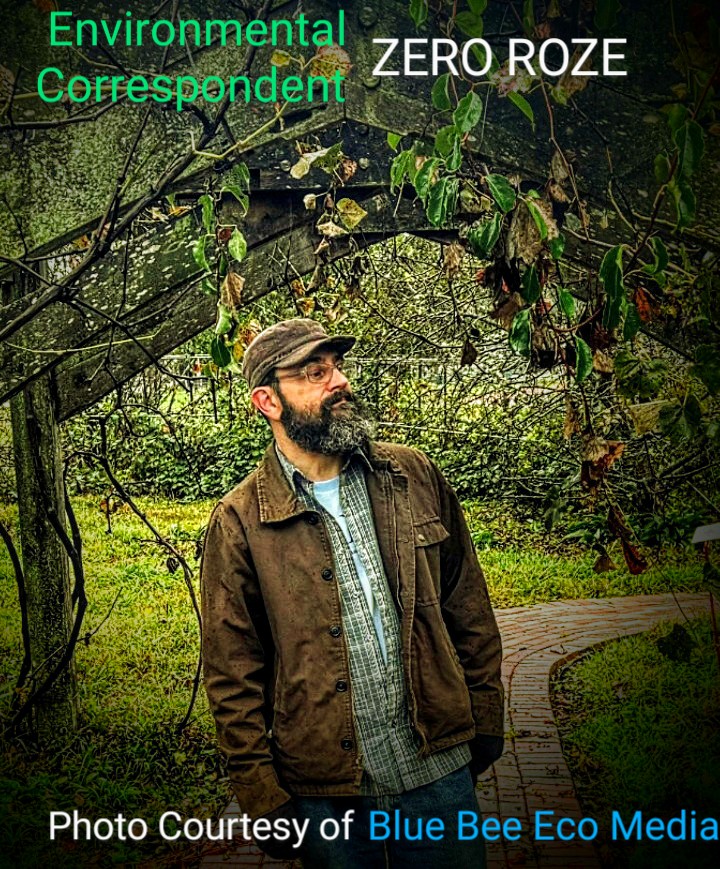
In this edition, Paul Rothrock and Jeff Stant of Indiana Forest Alliance joins Environmental Correspondent Zero Roze to discuss historic legislation to conserve Indiana forests and wildlands currently moving through the US Congress.
Now that we know who will be the next governor of Indiana, we can paint a picture of his past decisions and plans. We should not expect a govenor who will protect Indiana’s environment. The League of Conservation Voters Scorecard lists a lifetime score of 6 percent for Mike Braun, meaning he almost always votes against the environment.
On Fossil Fuels
We will examine Braun’s environmental record. Sen. Mike Braun asked the state’s powerful utility regulator to reject a coal plant’s proposed conversion to natural gas. In a letter to the Indiana Utility Regulatory Commission, Braun said he supports an “all of the above” approach to energy, including fossil fuels and renewable energy. But, he continued, “Indiana needs more energy to support the grid. While new energy will almost certainly need to come from non-coal sources, I am concerned that taking offline legacy sources of energy too quickly will have lasting implications that cannot be reversed.” The letter was published last week, as part of the case’s docket. AES Indiana filed a verified petition in March to transition two units at its Petersburg Generating Station from coal to gas. Braun acknowledged U.S. Environmental Protection Agency rules set limits and deadlines for coal-powered electricity generation. But, those mandates are tied up in court.
“While the final outcome is unknown, if these rules prevail as-written, coal generated plants would not be forced into retirement or co-generation until 2032,” Braun wrote, adding that AES Indiana has started its transition “well in advance.” He noted that Indiana’s energy demand has grown, and is expected to rise as the state brings power-sucking economic development projects online. “This project for which AES petitions includes significant ratepayer investment, shutters a working and compliant facility, and does not bring additive energy to the grid,” Braun wrote.He urged commissioners to deny the conversion, and encouraged collaboration with policymakers to preserve coal’s role — “the most reliable baseload fuel” — while “looking to the future.” He said a solution would enable Indiana to power future economic development projects while maintaining certainty for electricity customers.The implications of this action are clear. Braun is not swayed by switching to a cheaper form of fossil fuel that is also less polluting.
On Forests
On the matter of deforestation, Braun has shown interest in preservation. Senators Brian Schatz (D-HI) and Mike Braun (R-IN) introduced the FOREST Act to the United States Senate. It was also introduced in the House of Representatives. First introduced in October 2021, the Fostering Overseas Rule of Law and Environmentally Sound Trade (FOREST) Act would make it illegal for companies to import products of illegal deforestation, as defined by countries’ rules and regulations. Deforestation is a leading driver of climate change, displacement of people, and decimation of ecosystems and biodiversity. Global commodities such as soy, cattle, timber, cacao, and palm oil tend to be produced by clearing large swaths of land in forest countries. Up to 66% of agricultural land conversion in these countries is illegal. Many see the FOREST Act as “a critical step in tackling global deforestation and forest degradation, climate change, and biodiversity loss while promoting good governance and leveling the playing field for responsible businesses at home and abroad.”
In a related legislative proposal, Senators Debbie Stabenow (D-MI), Mike Braun (R-IN) and Bob Casey (D-PA) announced the introduction of the Rural Forest Markets Act in the Senate. The American Forest Foundation, The Nature Conservancy and Bipartisan Policy Center Action issued the following statements in support of the legislation: “We need our forests for clean air, clean water, wildlife and outdoor recreation—and for removing and storing atmospheric carbon that contributes to climate change,” said Alix Murdoch, Senior Policy Advisor at The Nature Conservancy. “With families owning nearly 40% of the forestland in the United States, it’s important that they can keep their forests healthy and in the family. This proposed legislation would help do so, at very little cost to the government. It’s a win for family forest owners and all of society.”
But during his short tenure as a state lawmaker, Braun worked to reduce taxes and regulations on an industry in which he holds a significant personal financial interest — a connection that raises ethical concerns, critics say. Braun owns more than 5,000 acres of timber land in southern Indiana valued at more than $5 million. He harvests the trees on that land for hardwood, yielding tens of thousands of dollars in income each year. At the same time, he successfully pushed legislation at the Statehouse that provided millions of dollars in tax breaks for the timber industry and cut regulatory costs for hauling logs. He also tried unsuccessfully to put new limits on logging in state forests, potentially forcing more logging onto private timber lands like his.
On Air Pollution
Senator Mike Braun released the following statement on President Biden’s proposed new emissions standards, which intend to make 2/3 of all new passenger cars and 1⁄4 of all trucks sold in the U.S. electric by 2032. “President Biden and his EPA are proposing unrealistic emissions standards to try to push the public further than they are willing to go. This plan is totally disconnected by the reality of our supply chain and energy infrastructure, and will result in the U.S. depending even more on China for raw rare earth minerals that the Biden administration doesn’t allow to be mined here. I ran a shipping and logistics business for 37 years, so I know this kind of overbearing government overreach will make everything more expensive.” We can draw a few conclusions from this action. Braun makes no mention of removing all the subsidies going to the oil business. There is no sense of an equal playing field. Transitioning to electric will require legislation designed to stimulate sales, such as a monetary award to the buyer.
On Wetlands
We have been unable to find any mention of wetlands in actions by Governor-elect Braun. Legislators owning construction companies have successfully reduced the acres of protected wetlands by half in recent years. Wetlands are very productive in preserving the environment.
On Rural Development
Republican gubernatorial nominee Mike Braun on Friday a week ago, released a policy plan intended to benefit farmers and rural residents — highlighting ideas for tax relief, economic development and more. Braun’s proposals are directed at the current system of farming. To ease the financial pain, the group proposed capping annual increases in farm property tax bills to 3% and tweaking the base rate formula used to value agricultural land. The formula changes would include a higher maximum capitalization rate, removal of federal payments from operating income calculations and reviewing input costs for accuracy. The organization also suggested creating a tax-advantaged “farm savings account,” and a tax credit for young and beginning farmers.
On Green Energy
There is no mention of installing wind turbines or solar panels. Typically the power company pays the farmer $5,000 per year per turbine. Each turbine takes up about one acre. Wind and solar power can bring major monetary rewards to rural communities. Solar is cheaper than coal. Braun has been an advocate of carbon credits. An example is a farmer grows a cover crop in the winter. This action removes carbon dioxide from the atmosphere. The problem is this action cannot begin to address the growth in carbon dioxide in the atmosphere. The conclusion is that Braun is unlikely to do anything that will advance Indiana in the protection of the environment.
Feature Report
In this week’s feature report, Paul Rothrock and Jeff Stant of Indiana Forest Alliance joins Environmental Correspondent Zero Roze to discuss historic legislation to conserve Indiana forests and wildlands currently moving through the US Congress.
On Air………………………………….Julianna Dailey
On Air………………………………………..Zero Roze
Headlines…………………………………..Norm Holy
Feature Report……………………………..Zero Roze
Script…………………………………..Julianna Dailey
Events Calendar……………………….Julianna Dailey
Engineer……………………………..Branden Blewett
Are you looking for a way to make a difference on environmental issues?
Eco Report is looking for reporters, engineers, and segment producer to report facts on how we’re all affected by global climate disruption and the ongoing assaults on our air, land and water. We also celebrate ecologists, tree huggers, soil builders and other champions who actively protect and restore our natural world, particularly those who are active in south central Indiana. All levels of experience and all ages are welcome, and we provide the training you’ll need. WFHB also offers internships.
To volunteer for Eco Report, call at (812) 323-1200, or e-mail [email protected].